Anyone fabricating tanks, membranes or PVC components eventually runs into the same question: how do you join two pieces of plastic so the seam is as strong as the material around it? Welding is usually the answer, and getting it right depends on the right tool, the right technique, and a bit of hard-won know-how.
Plastic welding has come a long way since its early days roughly seventy years ago. What began as a niche fabrication method is now standard practice across mining, water processing, aquaculture, marine construction, and general building work. In Western Australia, businesses working with HDPE, PVC and similar materials increasingly look for plastic welding, Perth suppliers who can support both the equipment and the practical side of getting a job done properly.
Where welded plastic actually gets used
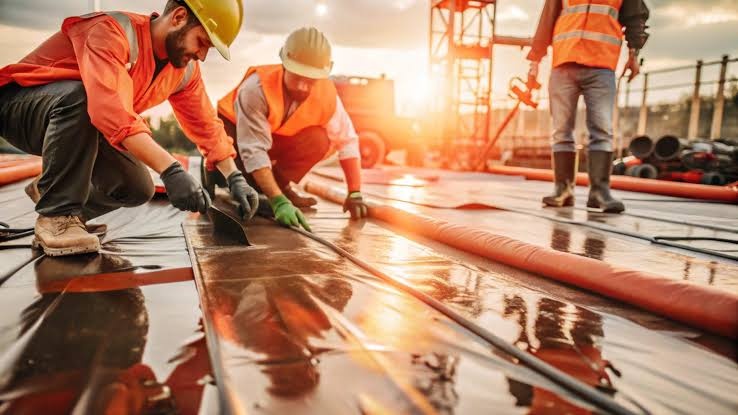
The appeal of a welded joint is simple: done correctly, it produces a leak-proof seal that holds up under pressure and repeated use. That’s why the technique turns up in liquid processing tanks, boat and marine builds, stable doors and equine fit-outs, and geo-membrane work for tunnelling, dam retention and landfill lining. It’s just as relevant to flooring, roofing and cable housing, and to PVC sheet products such as tarpaulins, pool linings and truck curtains.
Why the tool and the technique both matter
A weld is only as good as the equipment behind it. Hand tools for plastic welding range from compact hot-air guns to larger extrusion welders, and the finish depends on more than just switching one on. Temperature control, welding speed and rod selection all play a part, which is why experience with the equipment tends to matter as much as the equipment itself.
A Perth-based option worth knowing
Plastral has operated as the exclusive Australian distributor for Leister welding equipment for more than 80 years, giving it a long-standing view of how the technology and its applications have developed.
For anyone tracking product updates or industry developments, the Plastral latest news page is a reasonable place to check in from time to time.
Summary
Whatever the application, a welded seam should be one of the more reliable parts of a fabrication project rather than a weak point to worry about. Getting there usually comes down to suitable equipment and someone who understands how to use it, which is worth confirming before starting any plastic welding job.