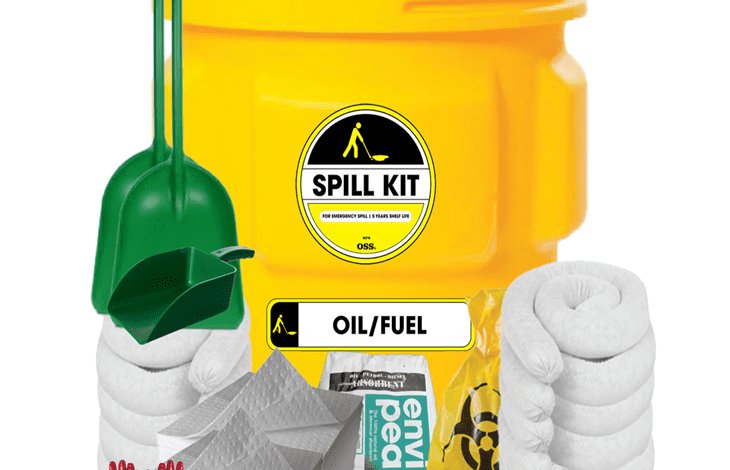
Oil and fuel spills can disrupt normal operations, create slip hazards and threaten surrounding drains or waterways if they are not managed promptly. Working with an oil spill kit supplier,Australia businesses can rely on help workplaces choose response equipment suited to their activities, storage areas and likely spill volumes. Good preparation can make containment faster and give employees clearer steps to follow during an incident.
Businesses that handle fuels, lubricants or other hydrocarbons should consider where spills are most likely to occur. Workshops, warehouses, construction sites, transport depots and manufacturing facilities may all face leaks from vehicles, machinery, drums or transfer points.
How an Oil Spill Kit Supplier,Australia Can Support Preparedness
Choosing suitable equipment begins with understanding the risks on site. A reliable oil spill kit supplier,Australia workplaces can consult may provide options for different hydrocarbon spill scenarios and response capacities. Oil and fuel kits commonly contain absorbent materials designed for hydrocarbons, including pads, socks or booms, together with disposal items and protective equipment. A small mobile kit may suit minor leaks, while larger facilities may need higher-capacity response equipment.
Assess Spill Risks Before Choosing Equipment
A workplace risk assessment can help identify the types of liquids being handled, the places where releases could occur and the amount that might reasonably escape. This information makes it easier to decide how many kits are required and where they should be positioned.
Accessibility should be considered alongside capacity. Response equipment should be clearly identified and placed where workers can reach it quickly without entering an unsafe area. Employees who may respond to spills should also understand workplace procedures and know when an incident requires specialist assistance.
Maintain Kits and Train Staff
Spill preparedness does not end after equipment is purchased. Kits should be inspected regularly so used, missing or damaged items can be replaced. Clear labelling can also help employees locate the correct equipment quickly.
Keeping a simple inspection record can help businesses track replenishment needs and maintain consistent readiness.
Training supports a more organised response. Staff should understand basic containment procedures, appropriate personal protective equipment and the importance of preventing spilled material from reaching drains. Businesses reviewing their current arrangements can compare different spill kits to find options suited to their workplace risks.
Summary
Strong spill response depends on preparation, appropriate equipment and informed employees. By assessing likely spill scenarios, positioning resources carefully, maintaining kit contents and providing practical training, businesses can improve their ability to respond to oil and fuel incidents while reducing avoidable disruption and environmental exposure.