
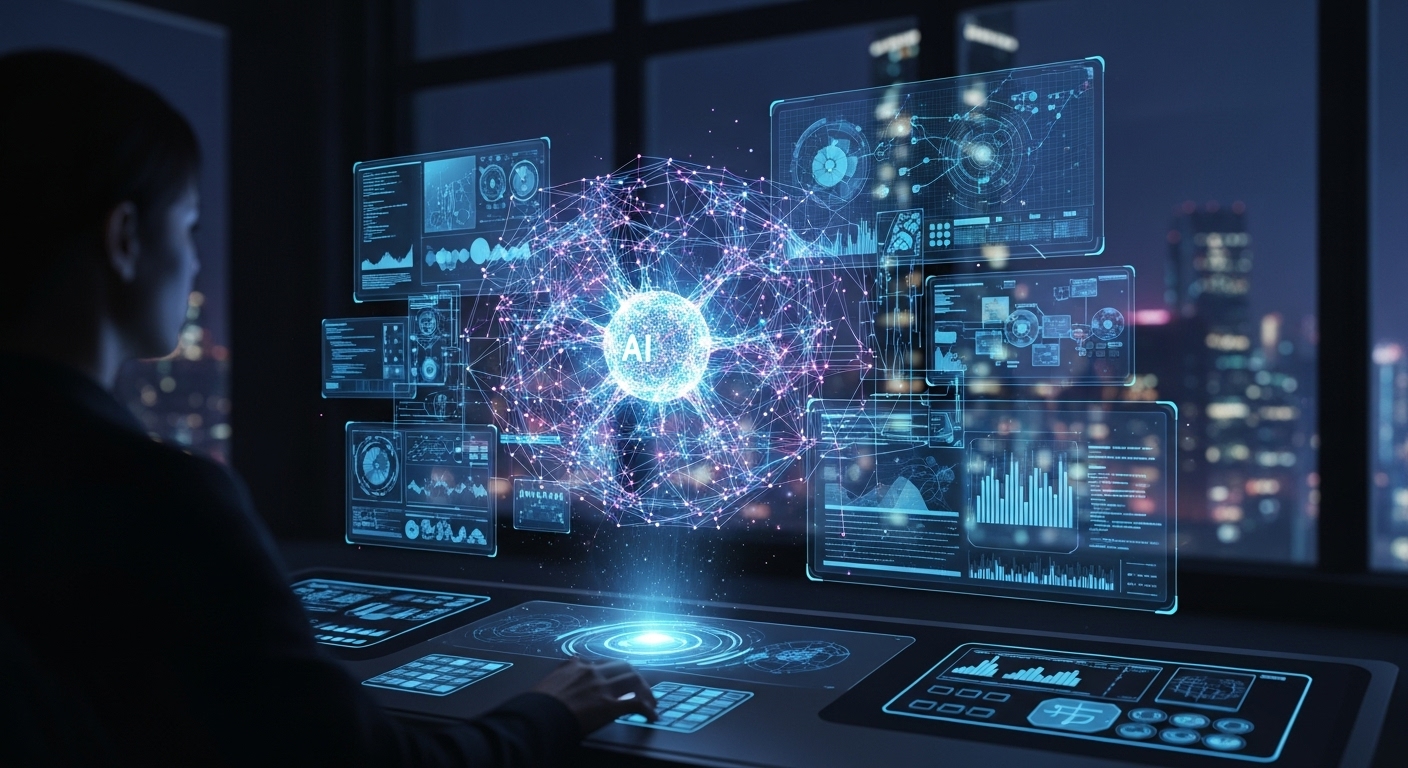
Technology has always influenced the way people communicate, work, and build relationships. From the invention of the telephone to the rise of social media, every advancement has transformed human interaction in some way. Today, intelligent technology is accelerating this transformation faster than ever before. Artificial intelligence, smart devices, automation, and machine learning are now deeply connected to daily life, changing how individuals exchange ideas, access information, and interact with the world around them.
The impact of intelligent systems is visible across homes, workplaces, schools, and public spaces. These innovations are not only improving convenience but also redefining expectations around communication, productivity, and social connection.
Smarter Communication in Everyday Life
One of the most noticeable changes created by intelligent technology is the speed and ease of communication. People can now connect instantly regardless of location through smart messaging apps, video calls, and AI powered platforms. Translation tools help remove language barriers, making global communication more accessible than ever before.
Virtual assistants can answer questions, schedule appointments, and even manage daily routines through simple voice commands. These systems create smoother interactions between people and devices while reducing the effort required to complete routine tasks.
At the same time, intelligent communication tools are influencing the way businesses engage with customers. Companies use AI chat support, automated responses, and predictive analytics to improve customer experiences. Discussions around these changes are frequently highlighted in times of business Australia, where technology trends often reflect the growing integration of AI into customer service and communication strategies.

The Rise of Personalized Experiences
Modern technology is increasingly designed to understand user preferences and behaviors. Streaming services recommend content based on viewing history, shopping platforms suggest products aligned with personal interests, and social platforms tailor feeds according to user activity.
This personalization creates more engaging experiences while reducing information overload. Instead of searching through endless options, users receive curated recommendations that match their needs and habits.
Businesses are also benefiting from this trend. Companies can better understand customer expectations through data analysis and behavioral insights. Platforms such as businesscore.com.au regularly explore how intelligent systems help organizations improve decision making and build stronger customer relationships through personalized engagement strategies.
Workplace Collaboration Is Evolving
The workplace has changed significantly due to intelligent technology. Remote collaboration tools allow teams to communicate across different locations in real time. AI powered project management systems organize workflows, track deadlines, and improve operational efficiency.
Employees now spend less time on repetitive administrative tasks because automation handles scheduling, data entry, and routine communication. This shift allows professionals to focus more on creativity, strategic thinking, and problem solving.
Intelligent technology has also increased workplace flexibility. Hybrid work environments have become more practical because cloud based systems provide employees with access to files, communication channels, and collaborative tools from almost anywhere.
These developments continue to shape discussions around current events australia, particularly as businesses and employees adapt to changing workplace expectations in a digitally connected economy.
Social Interaction in the Digital Era
Social interaction has expanded beyond physical environments. Online communities now allow people with shared interests to connect instantly regardless of geography. Social media platforms, gaming communities, and digital discussion groups have created entirely new forms of social engagement.
Intelligent algorithms often determine what users see online, influencing conversations, opinions, and trends. While this creates opportunities for discovering new ideas and communities, it also raises concerns about digital dependency, misinformation, and reduced face to face communication.
Many experts believe the challenge moving forward is maintaining balance. Technology should enhance human connection rather than replace genuine interaction. As AI systems become more advanced, people may need to become more intentional about preserving empathy, emotional intelligence, and meaningful personal relationships.
Smarter Cities and Connected Communities
Intelligent technology is not limited to personal devices or workplaces. Entire cities are becoming more connected through smart infrastructure. Traffic systems can adjust automatically based on congestion patterns, while public transportation networks use data to improve efficiency.
Smart healthcare systems also improve communication between patients and medical providers. Wearable devices can track health conditions and send alerts when unusual patterns are detected. These systems allow individuals to monitor their well being more actively while helping professionals provide faster support.
Reports and business insights australia often highlight how technology driven infrastructure can improve sustainability, public safety, and urban planning. As communities continue adopting smart systems, daily interaction between citizens and public services becomes more seamless and efficient.

Ethical Challenges and Human Responsibility
Despite its many advantages, intelligent technology also introduces important ethical questions. Privacy concerns, data security risks, and algorithmic bias remain major issues in the digital age. People are becoming increasingly aware that technology companies collect large amounts of personal information to power intelligent systems.
Another concern involves the potential loss of human centered interaction. Automated systems may improve efficiency, but over reliance on technology can sometimes reduce emotional connection and personal engagement.
Businesses, governments, and individuals all share responsibility for ensuring that intelligent technology develops in ethical and balanced ways. Transparency, accountability, and responsible innovation will play critical roles in shaping the future.
Many conversations featured on platforms like topbusinessesaustralia.com.au emphasize the importance of balancing technological advancement with social responsibility and long term human well being.
Conclusion
Intelligent technology is reshaping daily human interaction in powerful and complex ways. It has improved communication, increased convenience, enhanced workplace collaboration, and connected people across the globe. At the same time, it has introduced new social, ethical, and emotional challenges that society must carefully navigate.
As technology continues to evolve, the most important goal should not simply be creating smarter systems. The real challenge is ensuring that innovation strengthens human connection rather than weakening it. When used thoughtfully, intelligent technology has the potential to support more meaningful communication, greater accessibility, and a more connected future for people everywhere.